Is a UV Water System Worth It? The Straight Answer
UV systems are one of those upgrades homeowners either overestimate or misunderstand entirely—often after reading conflicting opinions on sites like https://www.waterwizards.ai/blog. People hear “UV” and assume it’s a cure-all. Others dismiss it as overkill. In my experience, a UV water system can be absolutely worth it—but only for the right reasons, and only in the right setup.
I’ve installed UV systems that solved real problems, and I’ve also removed or bypassed them when they were never going to help in the first place.
What a UV system actually does
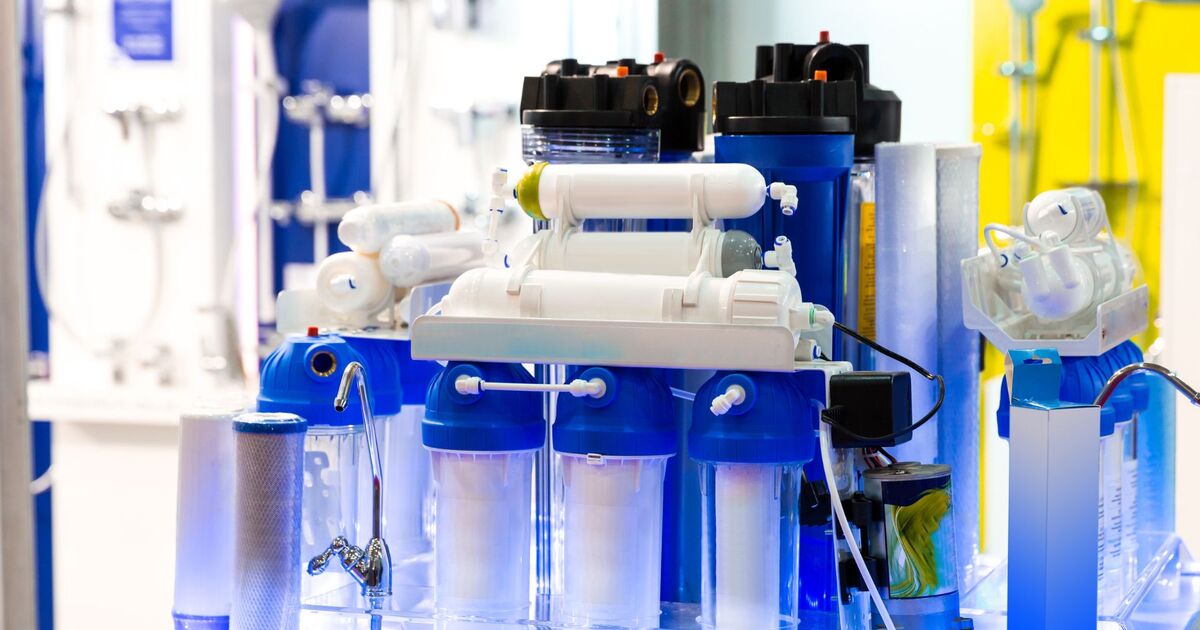 A UV system disinfects water by exposing it to ultraviolet light as it flows through a chamber. That light damages the DNA of microorganisms—bacteria, viruses, cysts—so they can’t reproduce. It doesn’t filter anything out. It doesn’t improve taste, smell, or clarity. It doesn’t remove chemicals, metals, or sediment.
That distinction matters more than people expect.
I once worked with a homeowner who thought a UV system would fix their sulfur smell and cloudy water. It didn’t, because it couldn’t. The UV was working perfectly, but it was solving a problem they didn’t actually have.
Where UV systems make real sense
UV systems shine—literally and figuratively—on private wells. I’ve seen wells that tested clean most of the year but showed bacterial presence after heavy rain or seasonal runoff. In those cases, UV provided consistent protection without changing how the water tasted or felt.
One family I worked with had young kids and a shallow well near agricultural land. Their tests weren’t always alarming, but they fluctuated enough to keep everyone uneasy. A properly installed UV system gave them peace of mind without turning their home into a chemistry lab.
For homes where bacteria is the concern, UV is a strong, reliable tool.
Where UV systems don’t add much value
In most city water homes, a UV system is unnecessary. Municipal water is already disinfected before it reaches the house. Adding UV doesn’t make it “extra safe” in any meaningful way—it just adds maintenance.
I’ve seen homeowners spend several thousand dollars on UV systems for city water because they wanted the “best.” What they really needed was filtration for chlorine taste or hardness control for scale. The UV light sat there doing nothing useful.
Another issue is dirty water. UV only works if the water is clear enough for light to pass through. Sediment, iron, or tannins can shield microorganisms from exposure. I’ve encountered systems installed without proper pre-filtration, rendering the UV ineffective even though the bulb was on.
Maintenance is not optional
UV systems are simple, but they’re not maintenance-free. Bulbs need to be replaced on schedule, usually once a year, whether they’ve burned out or not. Quartz sleeves need cleaning. Power outages matter—if the light isn’t on, the protection isn’t there.
I’ve serviced UV units that hadn’t had a bulb change in years. The homeowner assumed “light is light.” In reality, UV intensity drops long before the bulb fails completely.
Common mistakes I see
The biggest mistake is using UV as a substitute for filtration. UV doesn’t remove anything—it only neutralizes living organisms. If water quality issues are chemical or mineral-based, UV won’t help.
Another mistake is installing UV without testing. I’ve seen systems installed “just in case” on wells that never had bacterial issues, while ignoring problems like iron or hardness that caused daily headaches.
People also underestimate the importance of flow rate. If water moves too fast through the chamber, exposure time drops, and effectiveness suffers.
So, is it worth it?
From where I stand, a UV system is worth it when bacteria is the actual concern—most commonly on private wells with variable conditions. It’s not worth it as a general upgrade or a replacement for proper filtration or softening.
When UV is chosen for the right reason and installed correctly, it does its job quietly and consistently. When it’s chosen out of fear or marketing hype, it becomes an expensive nightlight.
The straight answer is this: UV systems are excellent specialists. They’re just not generalists. When they’re used for what they’re meant to do, they earn their place. When they’re not, they’re just another box on the wall.